
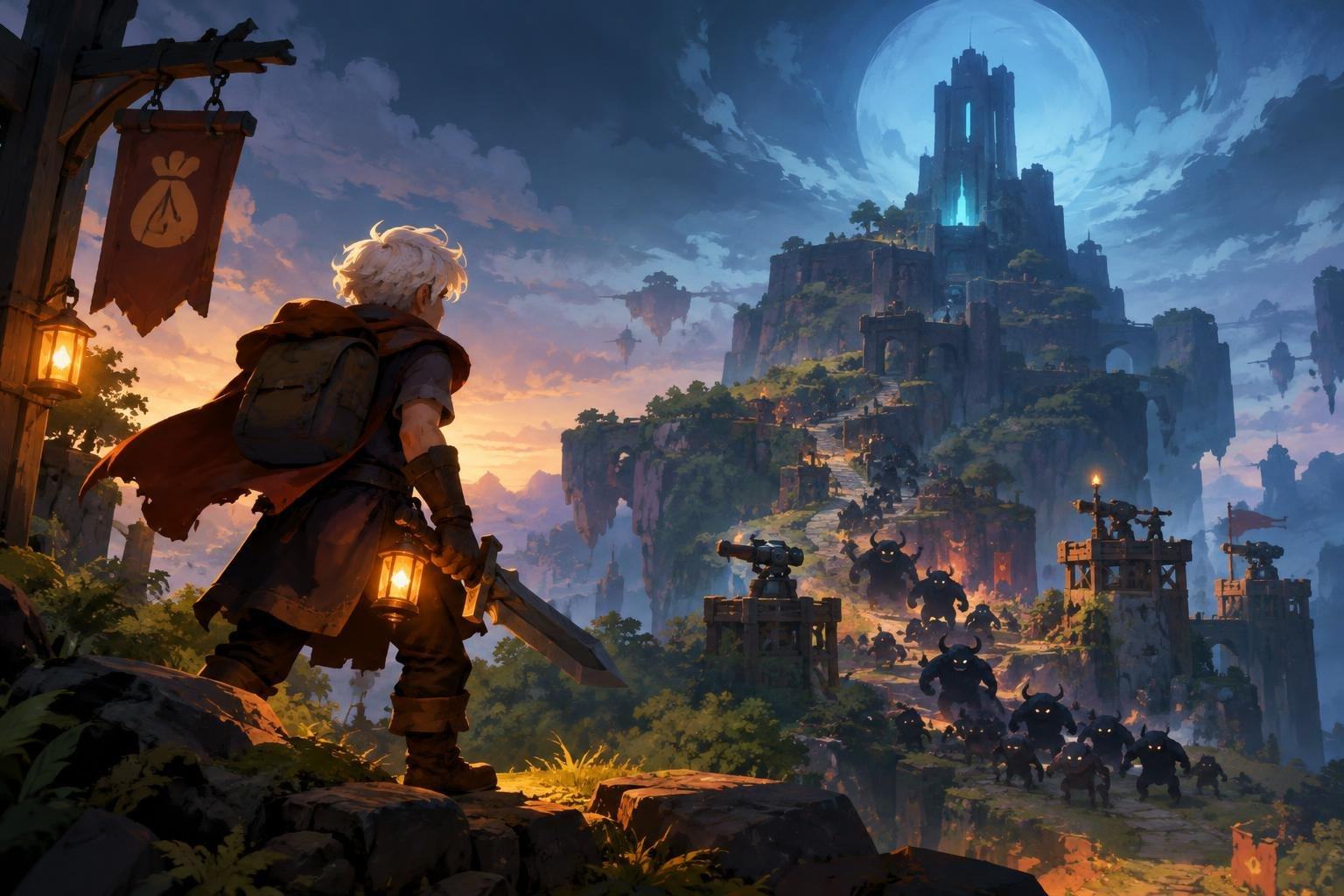
A game demo is usually a promise: try a little now, and you might want the full adventure later. For an independent studio, though, a playable slice is also a detailed look at how the game works—and Digital Sun Games has decided that, months before launch, that access carries too much risk.
The studio behind Moonlighter will not hold a large public playtest for ReVamp, its upcoming “tower defensevania” roguelike. Instead, it plans a limited test through Discord. The game is due in March 2027, and the decision reflects a growing fear among developers that publicly shared builds can be reverse-engineered and copied before the original reaches players.
A demo is both a shop window and a blueprint
Digital Sun’s concern is not that players should never see an unfinished game. It is that a build available to tens of thousands of people exposes far more than a trailer does: the feel of combat, the layout of a level, the timing of an encounter and the way different systems fit together. Those are precisely the details that can make a demo useful to players—and potentially useful to someone trying to imitate it.
That distinction matters. A screenshot can communicate a look; a playable build reveals a game’s behaviour. Modern tools may reduce the time needed to turn that access into a rough imitation, but they do not make copying a complete game automatic, nor does resemblance alone prove that a clone has been made. The risk Digital Sun describes is a fear about what could happen to an exposed build, not evidence that ReVamp has already been copied.
The studio’s marketing manager, Israel Mallén, said that with release still months away, sharing the game with a very large audience felt like too great a risk. Digital Sun also said it believes other developers are facing the same unease, and suggested that wider discussion could prompt platforms to respond.
The indie demo bargain is changing
For years, public demos have been one of independent games’ most valuable discovery tools. Events such as Steam Next Fest let players sample work they might otherwise miss, while developers can gather feedback and build an audience before launch. That bargain depends on studios being comfortable with a playable version circulating widely—and on the benefits of exposure outweighing the costs.
Those costs are not new. Developers have long had to consider leaks, spoilers and the possibility that a small slice will give players the wrong impression of a much larger game. What feels different now is the speed with which a visible idea may be imitated. The source reporting on this decision points to a recent example: after footage of the incremental game Escape the Walls appeared on X, several similar games were reportedly available on Roblox within ten days, with at least one also appearing on Steam.
That example does not establish that every imitation used AI, or that every public demo is now unsafe. It does show why a small studio might see an early build as more than a marketing opportunity. If an imitation arrives first, it could compete for attention while the original is still in development—a particularly uncomfortable prospect for teams without the reach or resources of a major publisher.
Less access, but not necessarily no feedback
A limited Discord playtest is a compromise, not a total retreat from player input. A smaller group can still help a team spot confusing systems or rough edges, while reducing the number of people with access to an unfinished build. The trade-off is that fewer players get to try the game, and the studio may hear from a narrower slice of its eventual audience.
That matters for a game described as a “tower defensevania”: a blend that invites questions about how defending territory, exploring interconnected spaces and roguelike structure will work together. No public playtest means fewer people can answer those questions firsthand before launch. It also means the decision says nothing, on its own, about whether the finished game will be better or worse for having had less public testing.
Digital Sun is not alone in this calculation: the studio behind Drunken Goddess Reflux also recently dropped plans for a public Steam Next Fest demo over similar concerns. For players, the consequence may be fewer chances to discover small games early. For developers, the more difficult task is deciding how to invite people into a game without handing strangers a useful map of how to reproduce it. In the demo era, that is becoming part of the design problem too.