
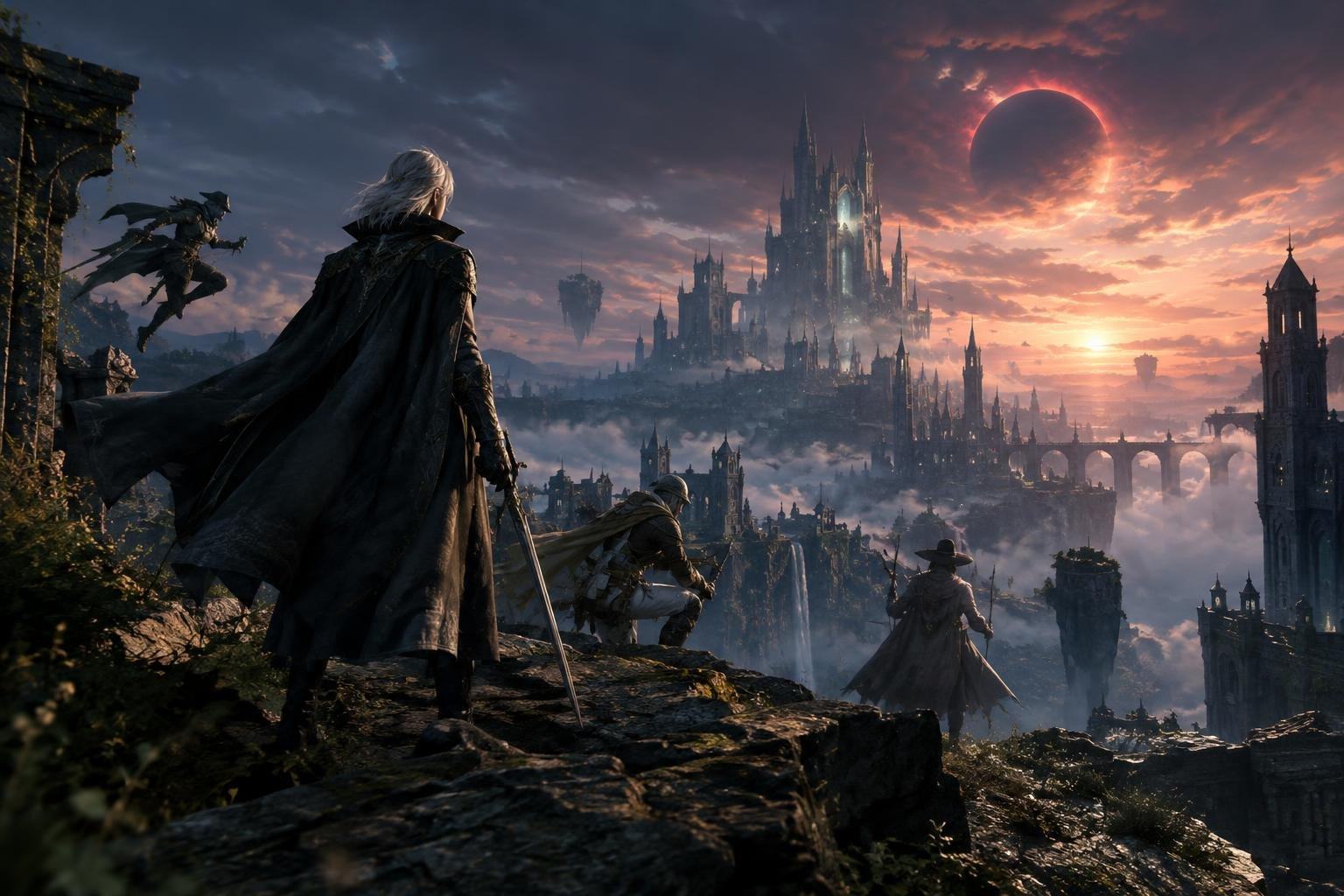
A multiplayer game can promise players many ways to approach a fight. The harder question is whether those choices remain worthwhile once real people start testing the rules. That question is at the heart of FromSoftware’s delay of The Duskbloods, which has moved from a planned 2026 release to 2027.
The studio says the decision follows a network test held in August 2026. Players responded positively to the game’s premise of making room for varied tactics and strategies alongside direct combat, but FromSoftware wants more time for final adjustments to the game’s rules and balance. It apologised to those waiting, while framing the extra development period as a way to deliver a better experience.
The challenge is making different strategies matter
In a competitive or multiplayer action game, balance is not simply a matter of making every attack deal the same damage. It is about ensuring that players can make meaningful decisions: when to engage, when to avoid a fight, and how to use the systems available to change the odds. A strategy that looks clever in theory can become either dominant or pointless when tested against other players.
That makes the wording of FromSoftware’s explanation notable. The studio is not describing the delay as a general polish pass; it specifically points to the rules and balance that support the game’s range of approaches. The announcement does not explain which mechanics need work, or what the test revealed in detail. But it does identify the design challenge the team wants to address before release.
For players, that distinction matters. A delay can mean many things, and the announcement offers no revised launch date beyond 2027. It does, however, suggest that FromSoftware sees the variety of possible playstyles as central to the experience, rather than an optional layer to add after the core combat is settled.
A different kind of FromSoftware test
FromSoftware is best known to many players for demanding action games in which close observation, timing and persistence are essential. Those skills can still matter in a multiplayer setting, but a broader strategic framework introduces additional pressures: players are not just learning how an enemy behaves, but adapting to other people who may choose entirely different tactics.
That is a more complicated balancing act than tuning a sequence of encounters around a fixed set of opponents. If one approach consistently overwhelms the others, the game’s promised variety can narrow in practice. If every option is made too similar, the variety may survive on paper while losing its appeal in play. The goal is not merely to offer alternatives, but to make choosing between them interesting.
The August test gives the developers a chance to see how that idea works outside the studio. Still, the announcement does not say that players requested the delay, nor does it identify any particular imbalance. The confirmed point is narrower: feedback supported the appeal of the game’s strategic concept, and the team has decided it needs more time to refine the rules that make that concept work.
More time, with the key question still open
Moving a game into another calendar year is disappointing for anyone who had pencilled in a 2026 release. It also leaves practical questions unanswered: there is no specific 2027 date, and no further detail about what will change. For now, the clearest measure of progress will be whether future updates explain how the game’s different approaches fit together.
There is a useful tension in the delay. The Duskbloods has received encouragement for offering more than a straightforward fight, yet that breadth is precisely what needs further tuning. FromSoftware is betting that the extra time will help preserve the choices that made the concept appealing in the first place. The real test, when the game returns, will be whether those choices feel genuinely different—and genuinely viable.